Science fiction as literature of substance? What a concept!
Needless to say, I was happily surprised when the South Dakota Humanities Council chose Ray Bradbury’s Fahrenheit 451 as the state’s book for The Big Read in 2008. Yet I about fell on the floor Friday when my mail contained a notice and registration form for a “2008 Bradbury Mini Conference.”
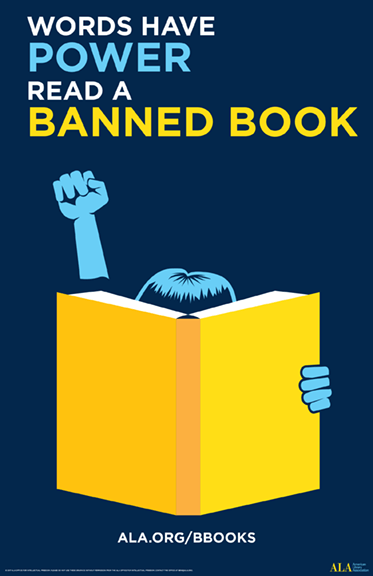
Yes, the Humanities Council is actually going to sponsor a conference Feb. 1 and 2 springing from Bradbury’s book. While it will include sessions specifically related to the book (“Music and Fahrenheit 451” and “Beyond Fahrenheit“, to name two), it goes beyond that. Other sessions tentatively include: “Lawless Behavior to Preserve the Freedom to Read”, “Banned Books and Libraries in Post 9/11 America”, “Sensing Censorship?”, “Bradbury’s Influence on the Science Fiction World” and “Science Fiction Writing Today.”
What? Whether it’s the NEA, the Humanities Council or a combination of the two, someone has actually figured out there is political and cultural relevance — even in South Dakota — to a genre the literati usually look upon with disdain. Granted, Fahrenheit 451 has deservedly received acclaim far beyond the world of SF but, still, it is SF.
The complete conference agenda will be posted on the Humanities Council web site by Jan. 20. What is even more impressive is that registration (including meals) is only $25. Still, with the good comes the not so good. (Sorry, Corey.)
The conference apparently begins at or before noon on a Friday — and is being held in Oacoma. Now I have nothing against Oacoma and certainly don’t believe cultural or arts events must be in Sioux Falls or Rapid City. Still, I can’t help but wonder how attendance will be affected by asking people to travel to Oacoma in the beginning of February, especially when the first day of the conference is a work day. Perhaps this is a fair location because it is on an interstate and probably somewhat centrally located (or equally inconvenient) for most potential attendees. But if the conference is intended to bring together “scholars, educators and members of the public” and the tentative presenters are from Dakota Wesleyan University, SDSU or out of state, wouldn’t holding in it a community with a post-secondary school make sense? Or how about one of the eight towns that make up the “Big Read communities,” three of which have public colleges and another two have educational centers where the state colleges collaborate to offer classes? Most of those choices also provide a larger pool of locals who may show up for one or two sessions just because it’s there.
I dislike being even partially critical of an excellent concept and truly wish the Humanities Council success with this event. But even given my interest in SF and the topics of the tentative sessions, I question whether I can/will attend. It may ultimately depend on the list of final sessions and when they are scheduled. The fact someone like me is hesitant indicates attendance may be heavily influenced by location and poor attendance may later serve as justification for why programs like this “don’t work” in South Dakota. Let’s just hope my concerns are misplaced and the conference is the great success it deserves to be.
If they give you ruled paper, write the other way.
Poet Juan Ramón Jiménez,
epigram to Fahrenheit 451





I know the SDHC has been committed to hosting events throughout the state in an effort to involve everyone, so perhaps that is the reasoning. There was a Willa Cather conference last winter (in anticipation of My Antonia) and I don’t think it was created by the SDHC – I have a feeling this is an SDHC sponsored event, but an independent conference.
My only beef is that the conference is just two or three weeks away. For many of us, that gives us little time to secure a hotel room in time. The Friday start date is difficult to deal with as well.
If there’s anything that prevails in South Dakota, it’s that only scholars and retirees have any interest in attending literature workshops or festivals. And while we at the SDHC fight to overcome this non-fact, scheduling like this only serves to further the notion. I’d love to go, but I simply cannot justify taking a day off of work to go.
That is all.
CWV
P.S. – If you’re interested in helping out with the Sioux Falls The Big Read festivities, let me know. I’m sure we could find some use for a big fancy lawyer like yourself. 😉